

















Burnout today rarely looks like collapse. It now hides inside emotional autopilot at work. People keep functioning long after they stop feeling present.

What emotional autopilot looks like at work
Burnout does not always show up as stress or breakdowns. It often looks like steady output and calm faces. People keep performing while feeling numb. This is a quiet form of emotional burnout that hides behind functioning, not crisis.
Signs you might be on emotional autopilot
You do the work but feel nothing about it. Meetings happen on cue, and later the details blur. Messages get answered. Tasks are checked off. The cycle repeats the next day. On the outside everything looks normal. Inside, the experience is flat and distant. That emptiness signals early workplace exhaustion, not rest.
Why emotional autopilot spreads at work
This state grows when people disconnect from their inner world to meet outside demands. Bodies show up. Feelings shut down. No drama. No collapse. Just less and less to feel. Numbness arrives first. Fatigue follows.
The role of performance pressure
Many workplaces praise those who never slow down or ask for help. Output matters more than presence. Over time, performance pressure trains people to mute needs to look stable. For a wider view of how this became normal, see Harvard Business Review.
Rewards that hide the problem
Emotional burnout can look calm, competent, even successful. Work gets delivered, so no one asks what went quiet inside. What looks like control on the surface may be deep disconnection.
Why it is hard to see
This form of burnout rarely explodes. It blends into perfect calendars and steady faces. People keep moving because stopping does not feel safe. Feeling does not feel safe. A similar pattern appears in How WhatsApp and Hybrid Work Created the 24 Hour Office, where constant connection erased personal limits.
How people feel inside this state
Many report disconnection more than tiredness. There is energy for the job, but not for the self. Tasks get done. Joy and engagement do not land. Someone can be in the room and still feel absent from their own life.
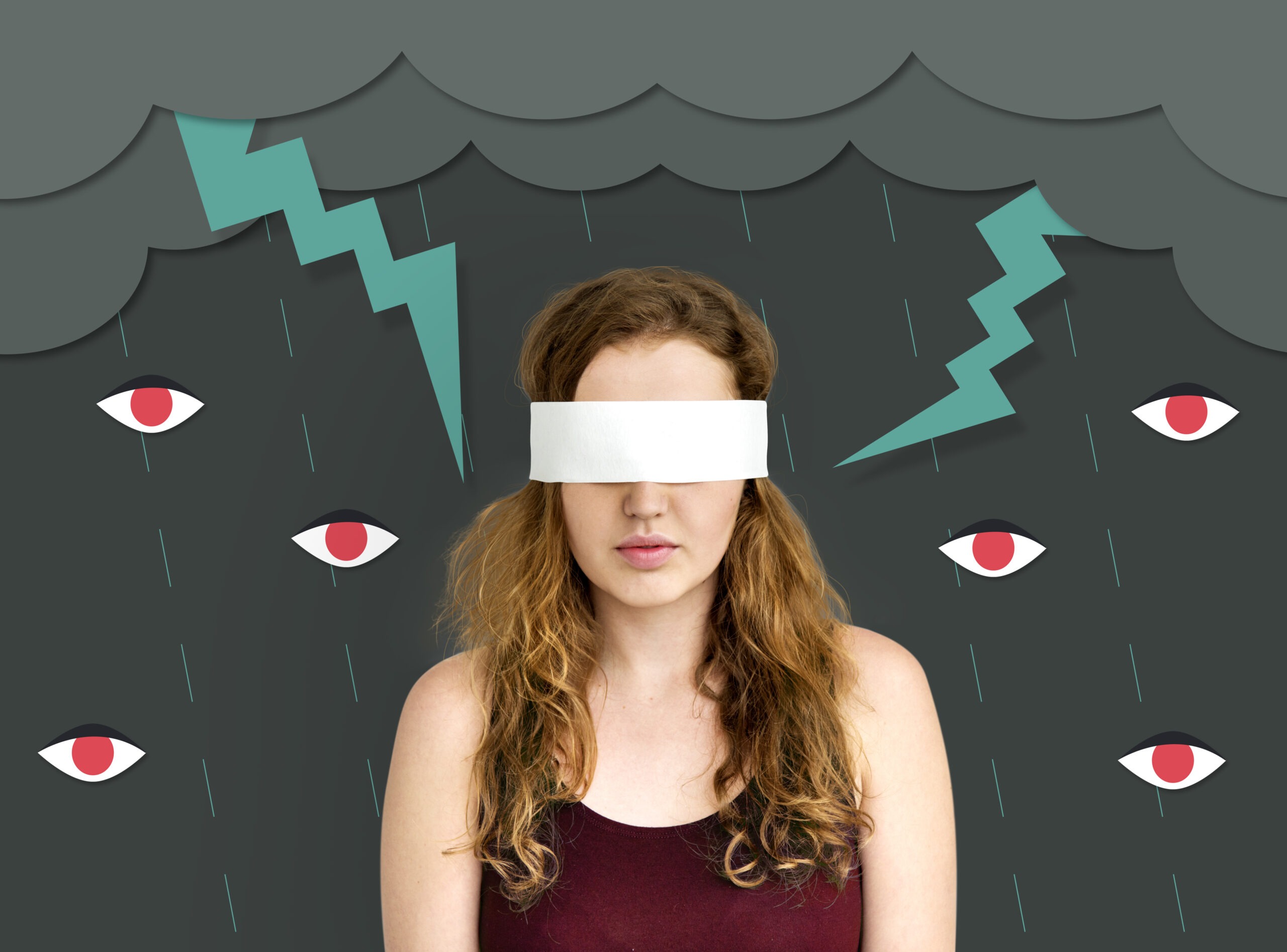
Burnout is often invisible because people keep moving even when they can no longer feel.
Simple first steps to reconnect
Name what you feel, even if the word is small. Take brief pauses to check in during the day. Ask for one practical support at work. Protect one weekly block of time that is only for your life. Small steps rebuild presence.
What a healthier culture needs
Emotional wellbeing is not only stress control. It is staying connected to your own life. Workplaces that value people for who they are, not only what they deliver, create room for honesty and recovery. For a clear definition of burnout as an occupational phenomenon, see the World Health Organization. Burnout today is less a moment of falling apart, and more a long moment of not feeling present—often before anyone notices.