













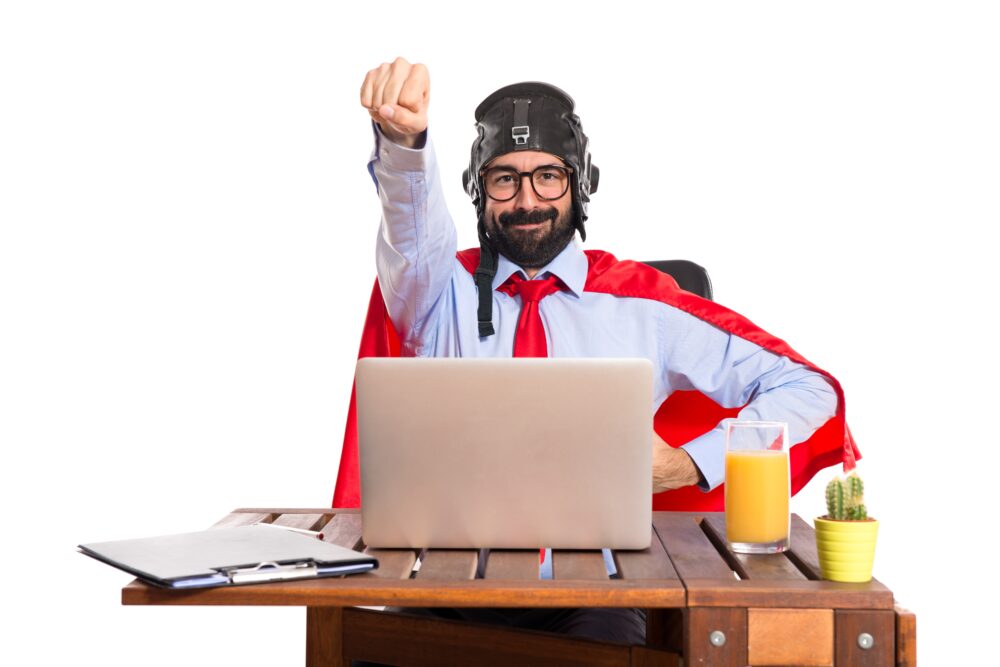

Work hero identity describes the person who holds everything together. They become the steady presence in every crisis, the one teams turn to for support. The role is never assigned. It forms because they are capable, calm, and dependable, so people assume they will always manage.

Everyone resets, except the one holding everything together.
Where strength quietly becomes expectation
The work hero is not the loudest voice. Their steadiness becomes the place the room leans on when things get tense. What begins as strength slowly becomes obligation, and people rely on their calm long before they realise it.
When usefulness replaces identity
Over time, others stop seeing the human behind the reliability. The person becomes a function. Tasks slide toward them because everyone believes they can handle more. Emotion follows the workload, and expectation slowly replaces care.

When reliability turns into erasure, the person disappears behind the role.
The weight shifts quietly until it becomes identity.
How teams begin depending on them without noticing
People lean on what feels steady. Meetings end without clarity because someone assumes the hero will fix it later. Decisions get delayed because the room trusts the stabilising voice to step in. The group keeps moving while the burden concentrates on one person.
Why asking for help feels unsafe
For the work hero, asking for help feels risky. If they pause, things might fall apart. If they show need, others may feel less secure. So they carry it alone. They hold the pressure in silence. What they carry is not just work, but the strain of carrying emotion for others (APA Dictionary of Psychology).
When dependability turns into invisibility
The same pattern appears in When Being “Easy to Work With” Means Silencing Yourself. Reliability becomes mistaken for unlimited capacity. The emotional work never appears on a list or a plan, so no one names it. The invisible burden is explained clearly here (Lean In).
The cost of looking fine on the outside
From the outside, the hero looks composed. Others read control as strength and never see the exhaustion behind it. Their world shrinks quietly: less energy, less connection, less room to feel human. What looks like stability is often someone running out of themselves.
Collapse is not loud
Collapse does not explode. It slips in quietly. The person does not break in front of anyone. They withdraw. The pattern mirrors what is described in Burnout Today Looks Like People Living on Autopilot. The body stays. The self fades out of view.
The quiet cost no one sees
The tragedy is not the weight they carry. It is the distance of carrying it alone. If you recognise yourself here, notice how often others lean on your steadiness and how quickly you step in before anyone else moves. The work hero identity does not fall from weakness. It falls because no one sees the person behind the strength.