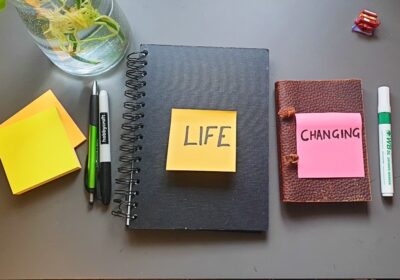




















Each role becomes one more phase in a longer learning journey.
What Shaped This Generation’s View of Work
Growing Up in an Unstable Job Market
Gen Z entered a job market shaped by uncertainty, rapid change and frequent restructuring. They watched companies shift direction and saw roles disappear. They learned early that a title can be temporary but skills travel with you. That realisation pushed them to treat every role as a way to build capability rather than a destination that defines them.
Thinking in Projects From Early Life
The digital world shaped the Gen Z work mindset. This generation learned, created and collaborated in short online cycles. They became used to building small projects, finishing them and starting new ones. They now manage their careers in the same rhythm. When a role stops teaching them something new they move toward the next challenge. Portfolios, side projects and fluid responsibilities feel natural because that is how they have always worked.
Protecting Identity While Staying Ambitious
Purpose and well being matter deeply. Many young professionals want work that supports personal growth, mental clarity and meaning. Seeing work as a project creates a clearer boundary. It turns the job into one part of life instead of the centre of personality. That makes it possible to stay ambitious without feeling consumed by work.
How This Mindset Shows Up Inside Companies
Roles as Chapters Instead of Endpoints
Inside organisations this mindset appears in how young employees move through roles. They join with commitment, learn quickly and progress when growth slows. They do not see this as disloyalty. They see it as a natural response to a work environment that changes constantly.
Supported by Global Research
This approach is backed by global data. The Deloitte Gen Z and Millennial Survey shows that younger workers prioritise learning, development, purpose and well being. The World Economic Forum Future of Jobs Report highlights how rapid changes in skills demand require more flexible and adaptive career paths.
What This Shift Means for Organisations
Designing Sustainable Growth Paths
For employers this shift changes what a strong career path looks like. Young professionals want growth based on expanding skills rather than climbing titles. They look for assignments that help them build range and managers who guide their development instead of only measuring performance. Many also want space for personal projects that support identity outside work.
A New Way to Read Career Identity
This change links to broader conversations about today’s workplace. It aligns with themes explored in The Efficiency Trap and The Rise of the Multi Identity Professional. Companies that understand why Gen Z treats work like a project can create environments that match how this generation learns and delivers value.
Reframing What Commitment Looks Like
In the end this shift is less about rejecting work and more about reframing it. The Gen Z work mindset helps young professionals stay curious, keep learning and adapt to change. They still want to contribute and grow. They simply want to do it in a way that protects who they are outside the office as much as what they achieve inside it.