


















Egypt’s newest graduates are entering the job market with a different outlook. Gen Z skills now matter more than the degree attached to their name. Many young candidates build portfolios and collect real projects. They learn new tools online and develop experience they can show. For them what they can do speaks louder than any academic record.
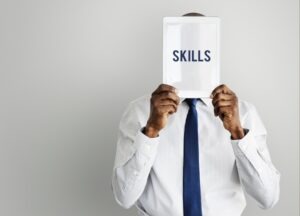
Graduates today focus on skills they can prove not titles they can claim.
Why Gen Z skills are becoming the main filter
This shift did not happen by chance. Employers in many sectors want more than theory. Insights from the LinkedIn Workplace Learning Report show that companies now prefer skill based hiring. They want real work samples and clear proof of ability. Because of this many Gen Z graduates choose short courses freelance work and hands on training.
Learning outside the classroom is also easier today. Online platforms help students try new tools and build small projects. They can learn at their own pace. The strongest candidates are the ones who learn a little every day. Their growth does not stop when a course ends.
How Gen Z skills shape portfolios

Recruiters today pay closer attention to portfolios than to academic records.
Young professionals see this shift in every step of their job search. Many build digital portfolios that highlight projects and case studies. They collect measurable results and clear examples of how they work. These portfolios help them stand out even when they have limited experience.
Portfolios also show something grades cannot. They reveal how a candidate thinks and solves problems. They make it easier for employers to understand a person’s style and potential.
What employers are looking for now
Companies are changing the way they read applications. Recruiters often review portfolios before they check academic records. They look for initiative and the ability to deliver real outcomes. A solid portfolio helps them picture how a candidate might contribute from the first weeks.
This reduces hiring risk. When employers see real work they can judge skills with more confidence. When they only see grades they must guess how someone will perform. This is why many companies rely on skill based evaluation even when job descriptions still mention degrees.
How universities are responding
This shift is also shaping what students expect from universities. Many want more practical exposure and real world learning. They look for workshops projects and collaborations with companies. They want classes that help them build skills they can use right away.
They also want stronger career guidance. Many students read articles such as The Rise of the Multi Identity Professional and Why Micro Awakenings Matter in Modern Work to understand new trends. They want a clear path toward careers that value ability not only grades.
The future of the skill first graduate
The skill first graduate is becoming the new standard. Gen Z candidates understand the job market with more clarity. They know that strong careers grow through continuous learning and real experience. One academic milestone is no longer enough.
For employers this means rethinking how talent is measured. For universities it means offering learning experiences that prepare students for real work. For graduates it is a call to keep developing their abilities long after they finish their studies.
In the end the strongest advantage a new graduate can have is simple. It is the work they can show and the Gen Z skills they continue to grow.