















Work-life separation 2025 no longer feels simple. The clear line between work and life has blurred. The workday stretches into the evening, and personal time becomes harder to protect. What should feel like rest becomes a slow continuation of the day.

The workday no longer ends when the day ends.
What work-life separation 2025 looks like day to day
The workday expands without warning. A quick check after dinner becomes another task. Later, a message arrives during time with family. The weekend feels lighter, yet still has work in the background. Even short breaks carry unfinished thoughts.
Hybrid work changed how days flow. Many switch between work and life without moving at all. Rooms now hold both roles. Because there is no physical exit, the mind struggles to understand when the day is finished.
Why work-life boundaries feel fragile now
Work moves with people everywhere. It travels across devices, screens, and hours. As a result, the old routine of leaving work has disappeared. For many professionals work-life separation 2025 feels like an overlap rather than a balance.
A similar shift shows in How WhatsApp and Hybrid Work Created the 24 Hour Office, where flexibility slowly created pressure. What promised freedom also created constant access.
The quiet pressure to stay reachable
Many fear that silence will look careless. Some worry that stepping back will be misread as lack of commitment. So they stay available long after they feel tired. As Harvard Business Review shows, this pressure is now cultural, not personal.
Why disconnecting feels complicated
Leaving work once meant going home. Today, it means resisting the urge to respond. It means choosing rest, even when something remains unfinished. In Why Logging Off Became the New Work Goal, disconnection appears as a skill we are still learning.

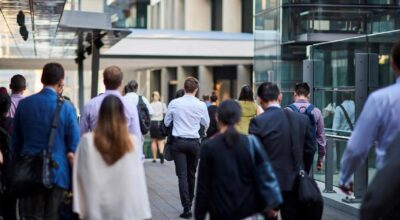
The home became the office, and the office became everywhere.
How this state feels from the inside
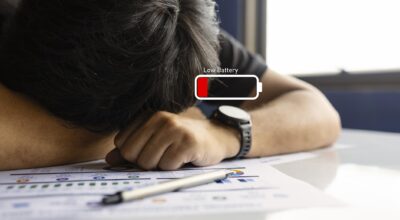
The body may rest, but the mind stays alert. People think about work while trying to enjoy time off. Moments that once gave energy now feel thinner. There is strength for tasks, yet less strength for life.
Small first steps to rebuild separation
Closure must now be intentional. Ending the workday with a small ritual helps create a pause. Protecting even one block of personal time restores a sense of space. These steps seem simple, and yet they rebuild clarity slowly.
What healthier work cultures need
Healthy cultures respect rest. They support recovery as part of performance. When boundaries are protected, people return with energy instead of exhaustion. Work-life separation 2025 has changed shape, but it can still exist with care and intention.