
















Artificial Intelligence is changing how people work. Many jobs are shifting, and new roles are appearing. This raises an important question: what are the jobs AI cannot replace yet? Understanding which roles stay human driven helps workers, leaders, and decision makers prepare for what is coming.
The jobs AI cannot replace most easily
Not all professions face the same risk. Jobs that depend on judgement, empathy, and real human understanding remain harder to automate.
On the other hand, tasks that follow clear rules or repeat daily patterns are easier for machines to take over.
Data entry and routine administrative work are already moving into automated systems. However, roles that involve care, communication, or complex thinking continue to stand strong. The Economic Times notes that machines still struggle with interpretation, emotion, and context, which humans handle naturally.
For more insight, you can explore Skill First Graduates, which looks at how capability, adaptability, and outcomes are now shaping career growth.

Why human centred jobs remain relevant
Many valuable roles in today’s market depend on reasoning, creativity, and interaction with people. Examples include teaching, healthcare, design, counselling, marketing, and leadership. These areas involve skills that are not easy for AI to copy.
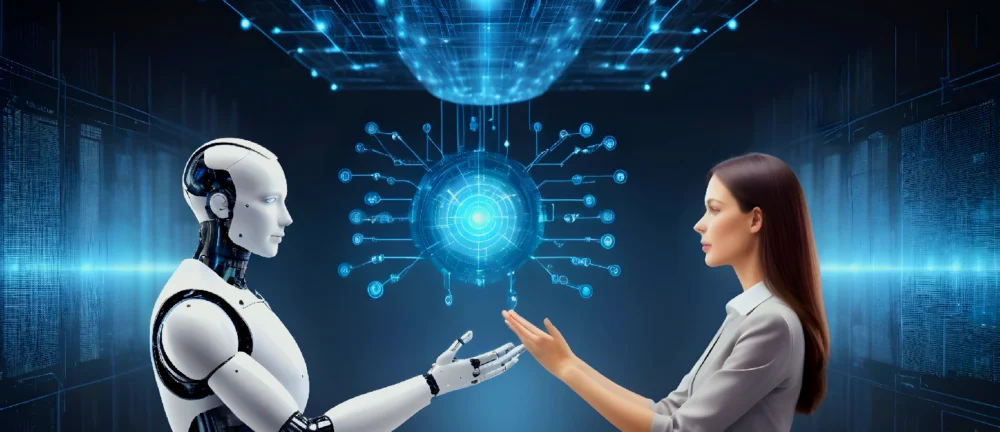
At the same time, new jobs are emerging. These include AI trainers, workflow designers, innovation leads, and supervisors who guide systems and ensure they work with people. These roles show that the future is not about replacing workers, but about combining technology with human insight.
Why these jobs continue to matter
AI brings both opportunity and pressure. It removes repetitive work but demands higher skills. This means many workers will need training to stay relevant.
In countries with young populations, including Egypt and wider MENA markets, this shift is even more important. Education and workplace culture must change to support problem solving, critical thinking, and creativity.
What individuals and organisations should do now
Staying relevant in an AI world is not about learning one tool. It is about growing skills that technology cannot copy. Communication, leadership, analysis, and creative thinking give people an edge. These skills help workers progress in the jobs AI cannot replace.
For companies, the goal is to use AI in smart ways. They need to identify which tasks can be automated and help employees shift into roles that matter more. Supporting reskilling and human growth protects culture and improves performance.
This connects to ideas explored in Quiet Leadership Is the Real Power Skill, which shows how influence, empathy, and presence are shaping modern work.
Conclusion
AI is changing work quickly. Some roles are shrinking. But others that rely on insight, vision, and collaboration are growing in importance. Those who build human strengths and use AI as a tool will be better prepared for the future.