

















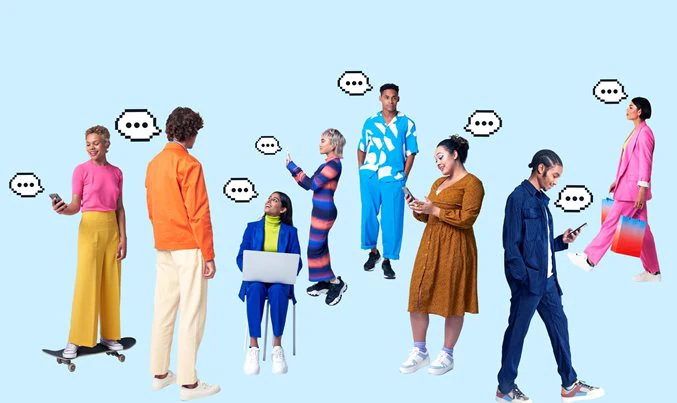

Only a few days into 2026, one shift is already hard to miss. Gen Z consumer behavior is reshaping how products are discovered, talked about, and trusted. Not through campaigns or launch moments, but through everyday content that rarely looks like marketing.
This shift is not about new platforms. It is about how discovery works now. It is quieter, more social, and often unplanned. A product seen in the background of a reel. A café spotted in a friend’s story. A brand name dropped casually in a comment thread.
How Gen Z consumer behavior is changing discovery
People are finding brands through screenshots, saved videos, comment sections, and posts sent privately between friends. In many cases, the brand does not even realize it is being marketed. When something feels found instead of pushed, curiosity rises.
This is why visibility can spike without a traditional campaign. Context matters more than messaging, and repetition matters more than persuasion.
Why performance no longer builds trust
What works now looks ordinary. Clothes do not try to signal luxury. Spaces are not overdesigned. Creators do not sound rehearsed. The audience is not rejecting brands. They are rejecting branding that performs too loudly.
Once something feels overly polished or overly explained, skepticism follows. This generation has grown up fluent in digital intent and disengages quickly when content feels engineered to convert.
The shift toward found not sold discovery
Credibility is built through proximity rather than persuasion. A product noticed incidentally can feel more trustworthy than a product introduced with urgency. A brand name repeated across real-life contexts carries more weight than one announced loudly.
This shift connects closely with Why Gen Z Communicates in Screenshots and The Death of Email and the Rise of Messaging Apps, where influence moves through informal, peer-led channels rather than official brand messaging.
Why context matters more than messaging
Context has become a trust signal. A product used without explanation. A café that appears without a review. A creator who mentions a brand without turning it into a pitch. The background feels credible because it does not ask for attention.
This tension between scale and trust is also reflected in how influencer marketing is evolving. Harvard Business Review notes that as sponsored content increases, audiences rely more heavily on authenticity cues to decide what feels trustworthy.
What this signals for consumer culture in 2026
The shift unfolding this year is subtle but structural. Marketing is moving away from persuasion and toward presence. Brands that resonate are not louder. They are less performative and more embedded.
Not everything needs to announce itself anymore. Some things simply need to be there.