


















There are a few moments when a destination shifts into something exquisite.
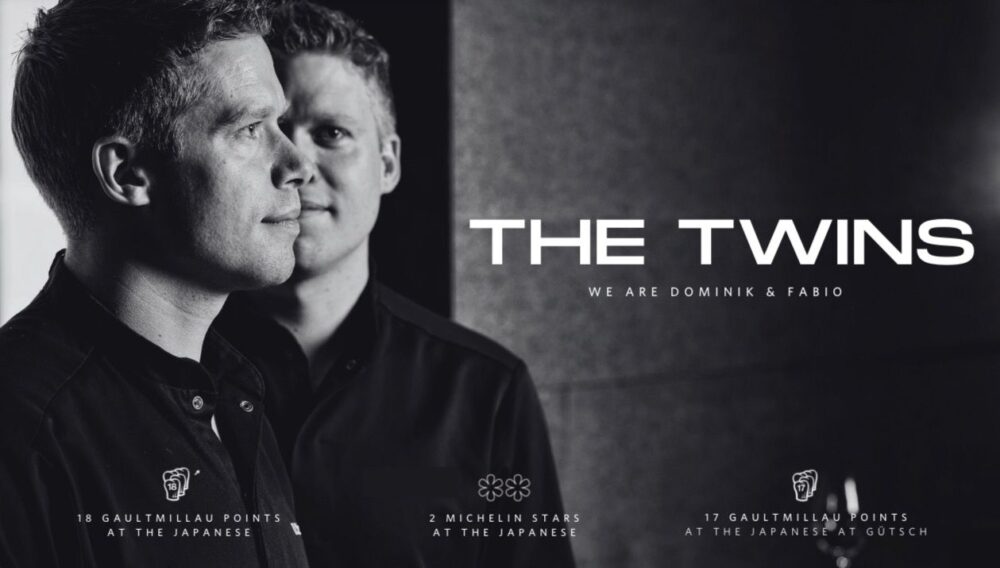
This April, The Chedi El Gouna is doing exactly that, hosting Twin Stars Culinary Journey, a limited dining series that brings chefs Dominik Sato and Fabio Toffolon, known as The Twins, from The Chedi Andermatt in Switzerland to the Red Sea.
For six nights only, Nihon Rooftop becomes the setting for an experience that is less about introducing something new, and more about placing Egypt within a different global conversation around dining.
Sato and Toffolon are not visiting chefs in the usual sense. Their work at The Japanese Restaurant in Andermatt has earned multiple Michelin stars, built on a style that merges Japanese technique with European discipline. Their approach is defined by precision, attention to detail, and a clear respect for ingredients, shaped through years of training in some of Europe’s most demanding kitchens.
What makes this residency stand out is not just their presence, but the way the experience has been designed around it.
Each evening is limited to 20 guests, with access through reservation or invitation only. No expansion, no repetition, and no attempt to scale beyond what the concept can hold. It is a format that prioritizes control, focus, and the ability to deliver something consistent, night after night.
At Nihon Rooftop, the menu reflects that thinking. Japanese techniques meet European craftsmanship, but the context is unmistakably El Gouna. The Red Sea becomes part of the experience, not as a backdrop, but as a layer that influences how the menu is felt, not just how it is presented. Local elements are introduced carefully, allowing the setting to shape the experience without losing the identity of the chefs.
This is where the collaboration between The Chedi Andermatt and The Chedi El Gouna becomes more than a brand alignment. It is a reflection of how the property is positioning itself. Quietly, but with intent, The Chedi El Gouna is placing itself within a global network of destinations where dining is treated as a defining part of the experience, not an addition to it.
There is also a clear shift in how exclusivity is being approached. It is not driven by scale or visibility, but by limitation. Fewer seats, fewer nights, and a format that does not try to reach everyone. Instead, it creates something that people choose to be part of, knowing it will not be repeated in the same way again.
In a market where dining experiences are often built around trends, this approach feels deliberate. It leans into timing, setting, and the people behind the experience, rather than overexplaining what it is meant to be.
And that is the real takeaway.
Twin Stars Culinary Journey is not just about bringing Michelin starred chefs to Egypt. It is about showing that the country can host experiences at that level, in a way that feels considered, relevant, and grounded in place.