
















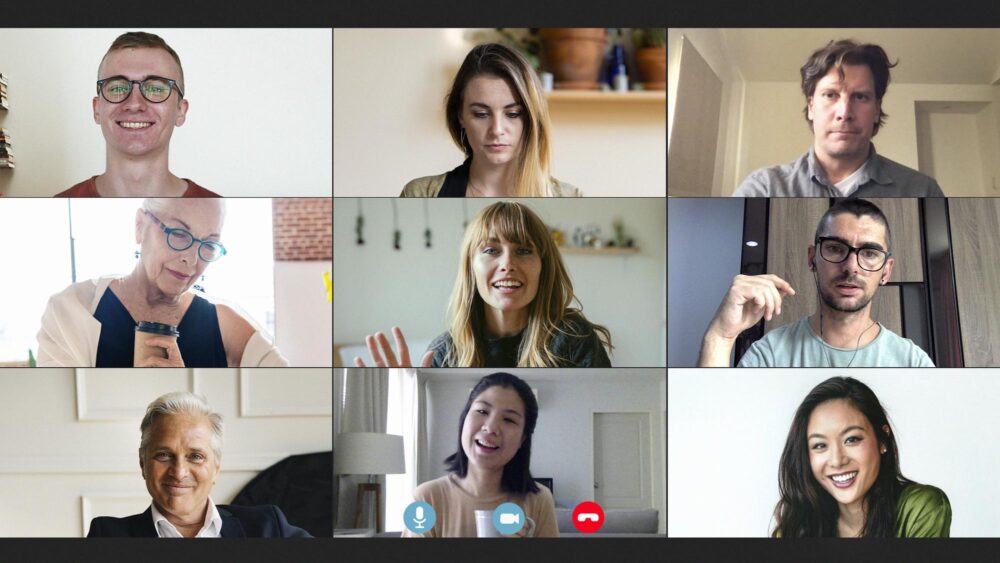

The shift to hybrid work changed more than where people sit. It also changed how they connect. Many workplaces learned how to communicate faster. Now they are learning how to communicate with more care. This is where the idea of digital empathy at work is growing.
Digital empathy at work means showing understanding through screens. It means communication that feels present. It means messages that respect the person on the other side. It is a simple way of working that keeps conversations human even when they happen online.
From Fast Messages To Thoughtful Communication
In fast teams, emotions do not disappear. Instead, they move into different spaces. The unread message can feel stressful. The short reply can feel unclear. The late response can create doubt. Research from the World Economic Forum (weforum.org) shows that digital skills and emotional awareness now shape everyday communication at work.
Clear language helps. A calm tone helps too. People want messages with clarity. They want expectations that do not demand an instant reply. Because of this, many leaders are rethinking how they communicate with their teams.

Simple choices in tone and timing can make communication feel safer.
Small Digital Habits That Change How Work Feels
Simple habits can improve daily work. For instance, asking before calling reduces pressure. Adding context instead of typing fast reduces confusion. Sending messages that respect time zones also creates trust. A guide from HelpGuide (helpguide.org) explains how small moments of care can support healthier communication.
This shift also changes how teams understand each other. When people feel seen, collaboration becomes smoother. As a result, deadlines feel clearer and feedback feels easier. The work culture becomes healthier because people feel supported even when they work apart. In many ways, digital empathy at work turns quick daily interactions into something more meaningful.
Boundaries, Wellbeing And Trust Across Screens
This shift is happening at the same time many people are building stronger boundaries. The idea connects clearly with earlier pieces such as Why Logging Off Became the New Work Goal and The Future of Leadership at Work Sounds Different. As professionals learn to protect their time, they also expect workplaces to communicate with more intention and less pressure.

Healthy boundaries and digital empathy grow together.
Leaders play an important role in this change. When managers model digital empathy at work, teams follow their example. A clear message, a fair reply time, and a calm tone all send a strong signal. Over time, these habits help people feel safe to speak and safe to step back when needed.
Digital empathy is no longer an extra skill. Instead, it is a core part of modern work. It shapes trust. It shapes teamwork. It shapes how people stay connected without burning out. As hybrid work continues to grow, digital empathy at work may be the key to keeping workplaces healthy, clear, and human.